
Mention honorable dans la catégorie « Photo Macro Artistique »

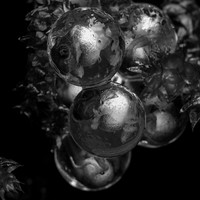
Nestled gently on a bed of lush green moss, the translucent eggs of the Amboli Bush Frog hold the promise of new life. Each tiny egg glows softly, revealing the tiny tadpoles curled inside, their delicate forms visible through the shimmering shell. The moss cradles the eggs, keeping them safe and moist, like a gentle guardian. This image captures not just a biological process, but a fragile beginning in a world of growing peril. The Amboli Bush Frog (Pseudophilautus amboli) and, by extension, these eggs, face a precarious existence, classified as Critically Endangered on the IUCN Red List.
The main threats to these delicate jewels and the species they represent stem directly from human activity in their home—the Western Ghats of India. The rapid pace of urbanization and tourism development is carving up the frog's natural environment. Roads, buildings, and resorts break apart the continuous forest, isolating populations and shrinking the vital space needed for survival. The influx of people also brings litter and waste, which degrades the quality of the water sources the frogs depend on for breeding and development. This pollution directly impacts the health of the eggs and the metamorphosing tadpoles. These combined pressures reduce available habitat, negatively impact the water quality essential for the frogs' development, and disrupt the overall forest ecosystem.
The most crucial step to ensure a future for the golden glow within these eggs is protecting and preserving the remaining natural habitats of the Amboli Bush Frog. Every effort to conserve the integrity of the Western Ghats is a direct lifeline for this unique and critically threatened species.
BACK TO GALLERY