
Médaille de bronze dans la catégorie « Photojournalism »
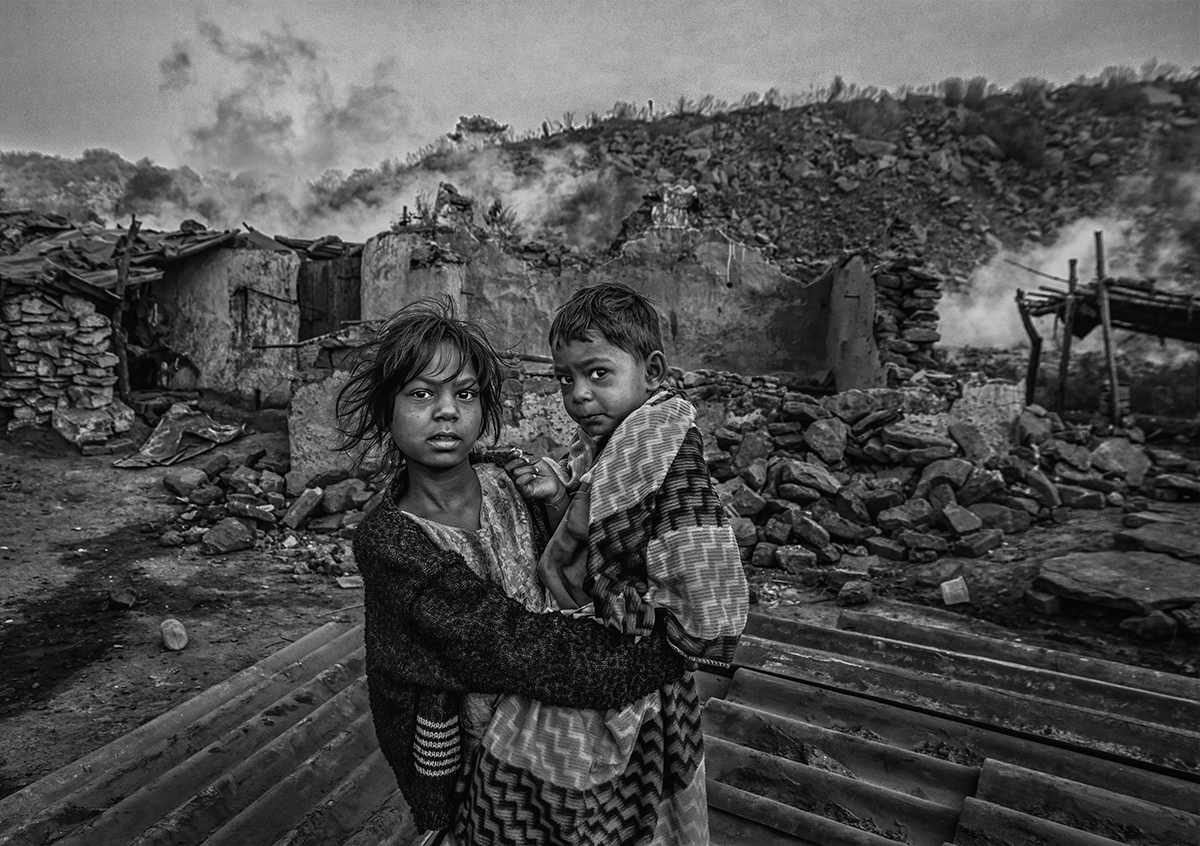
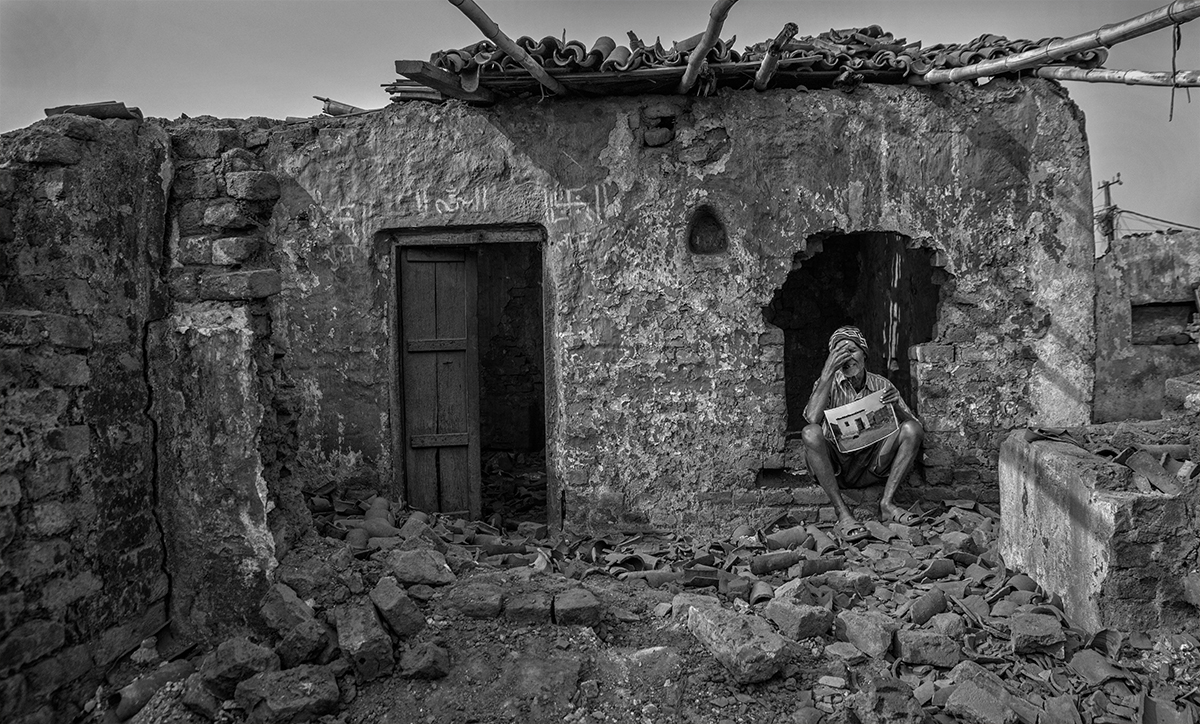
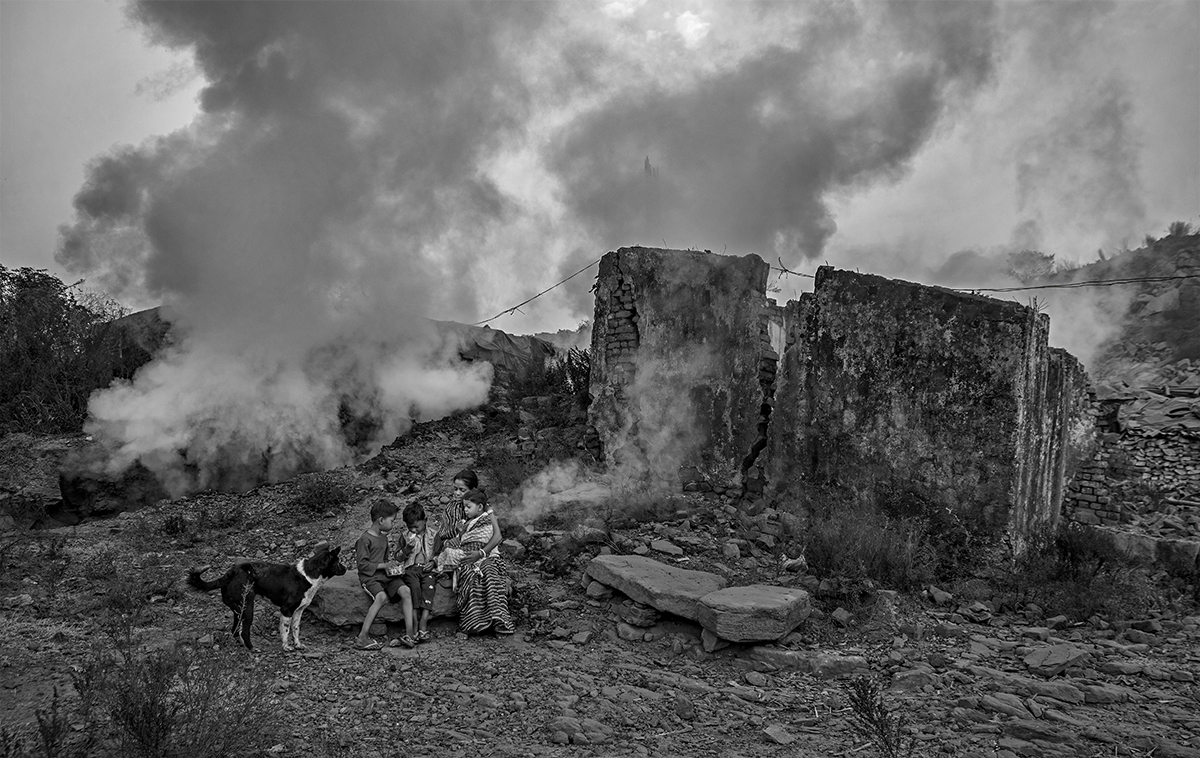
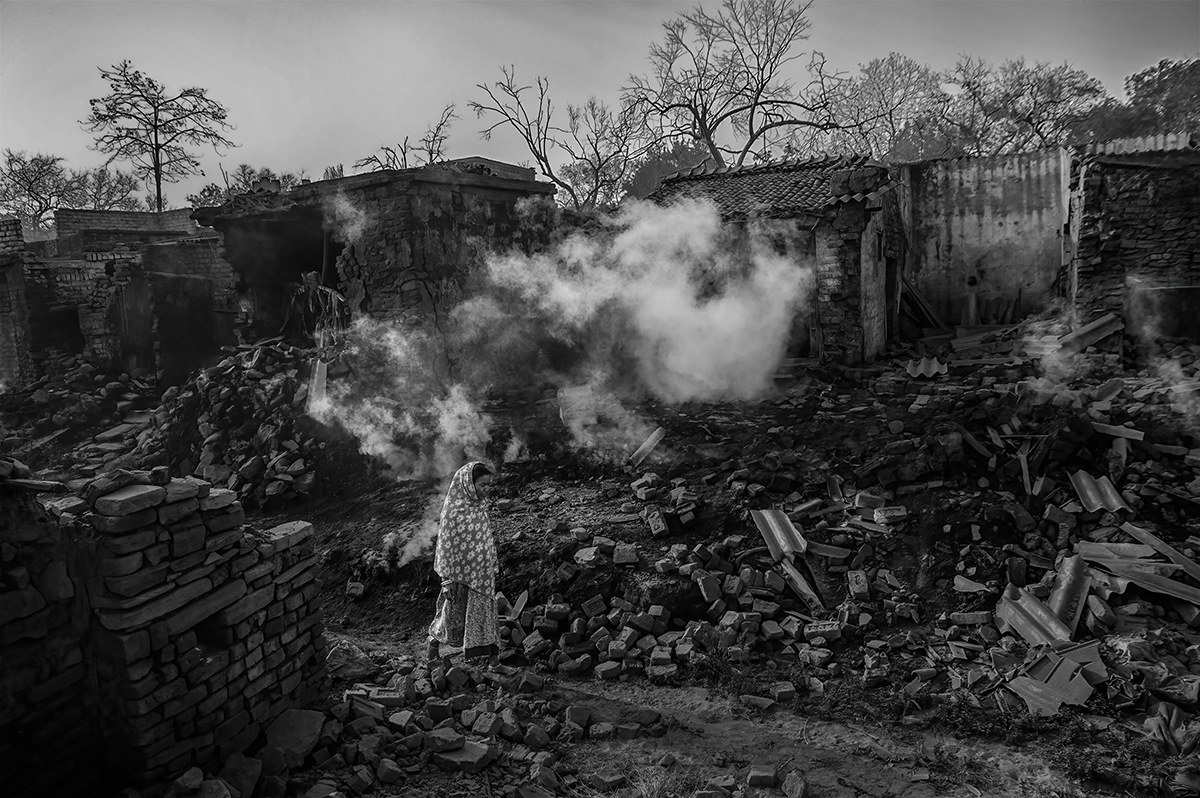
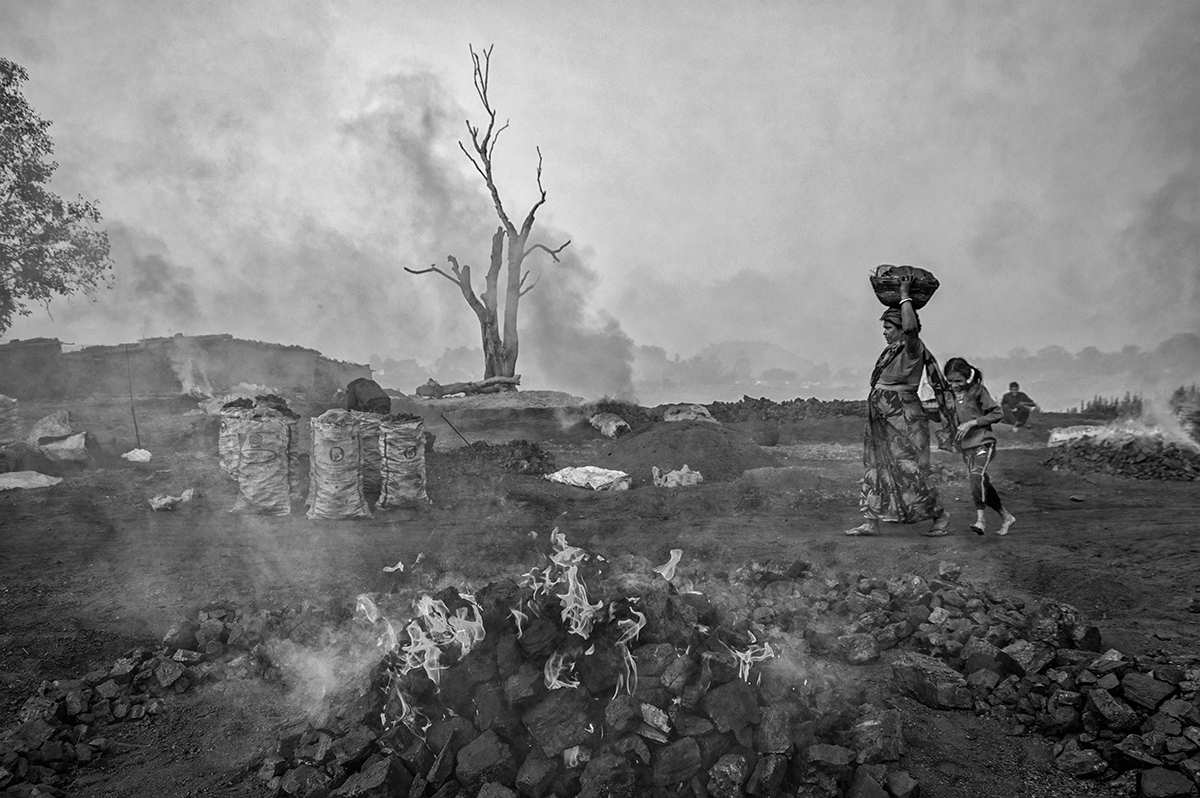
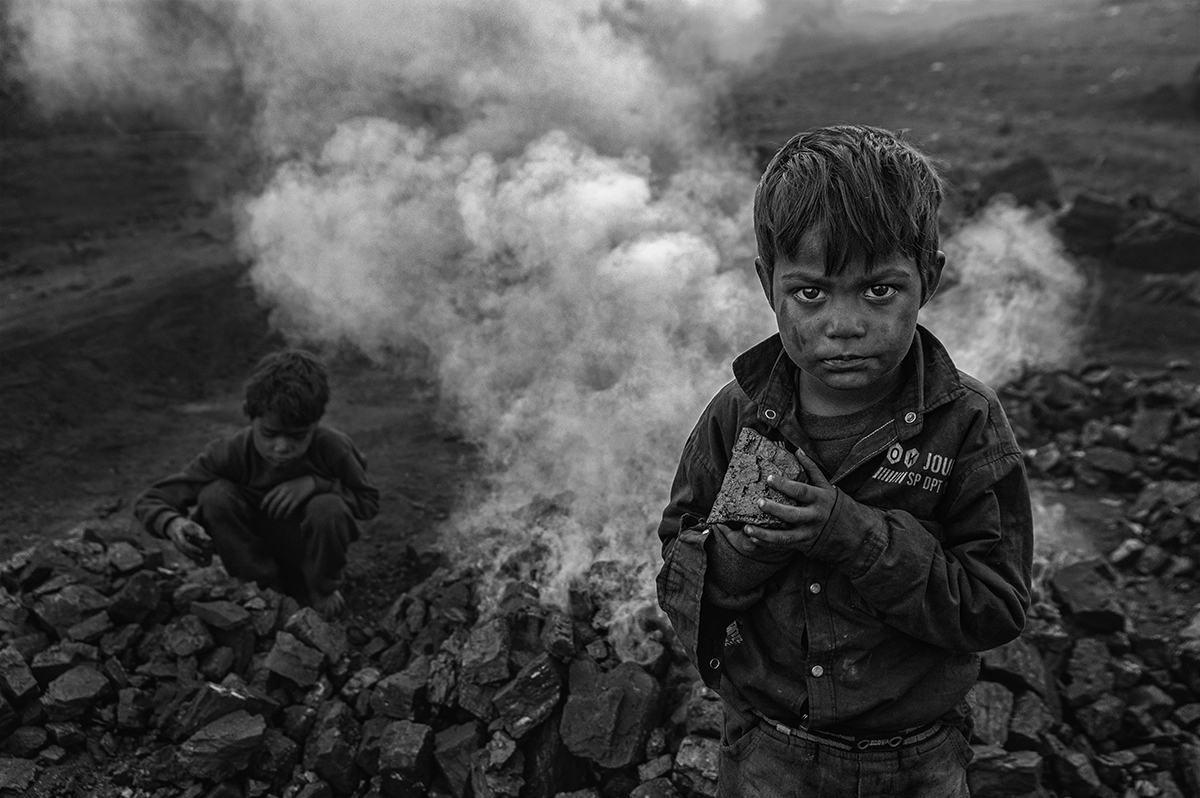
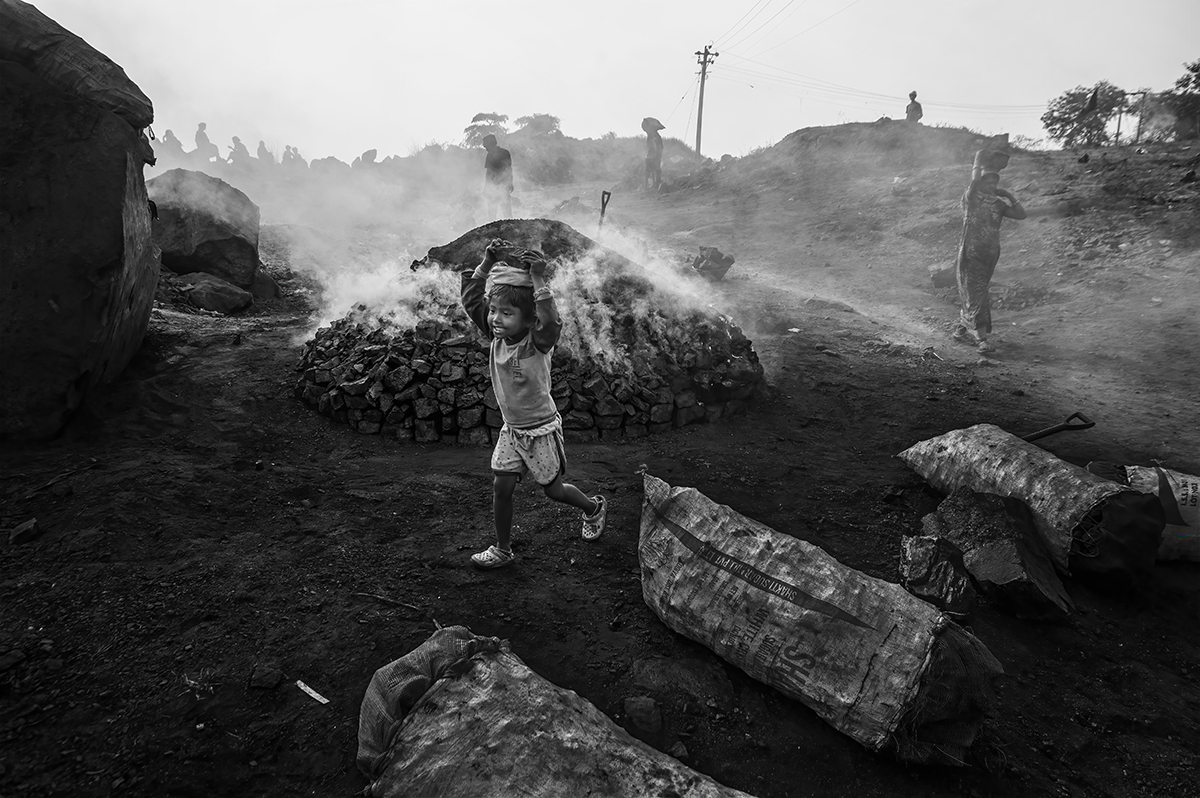
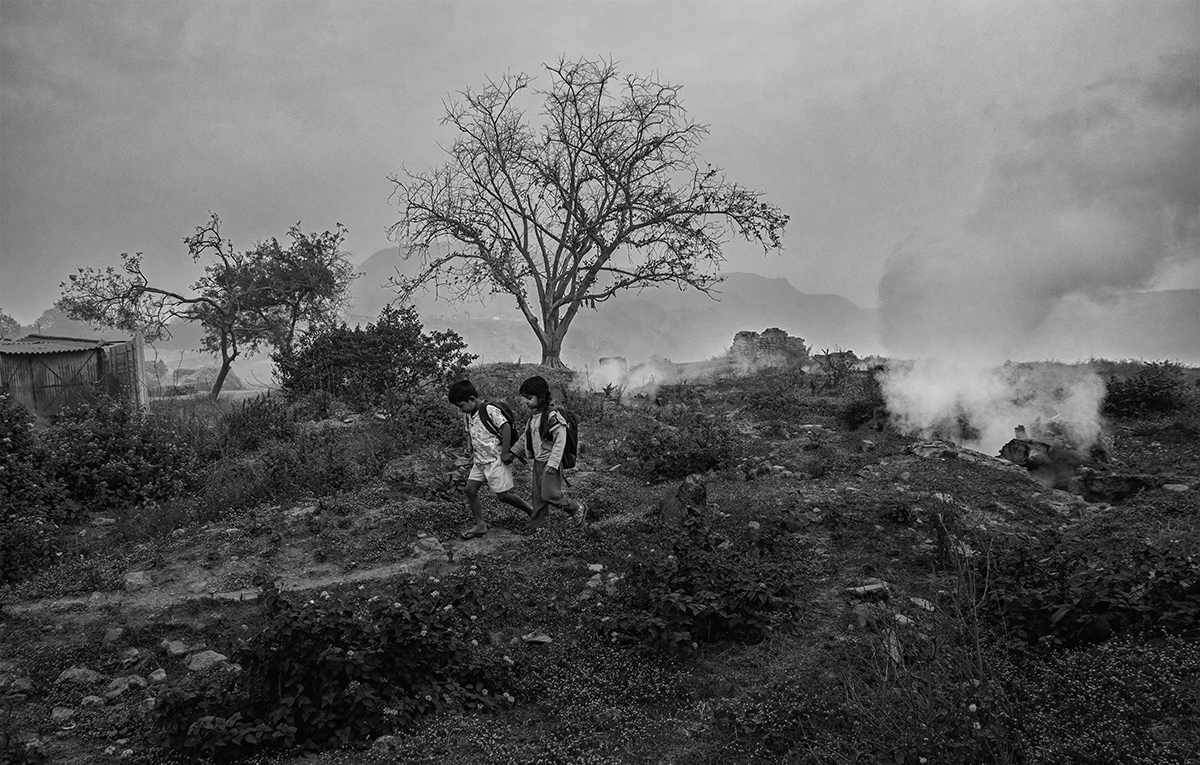
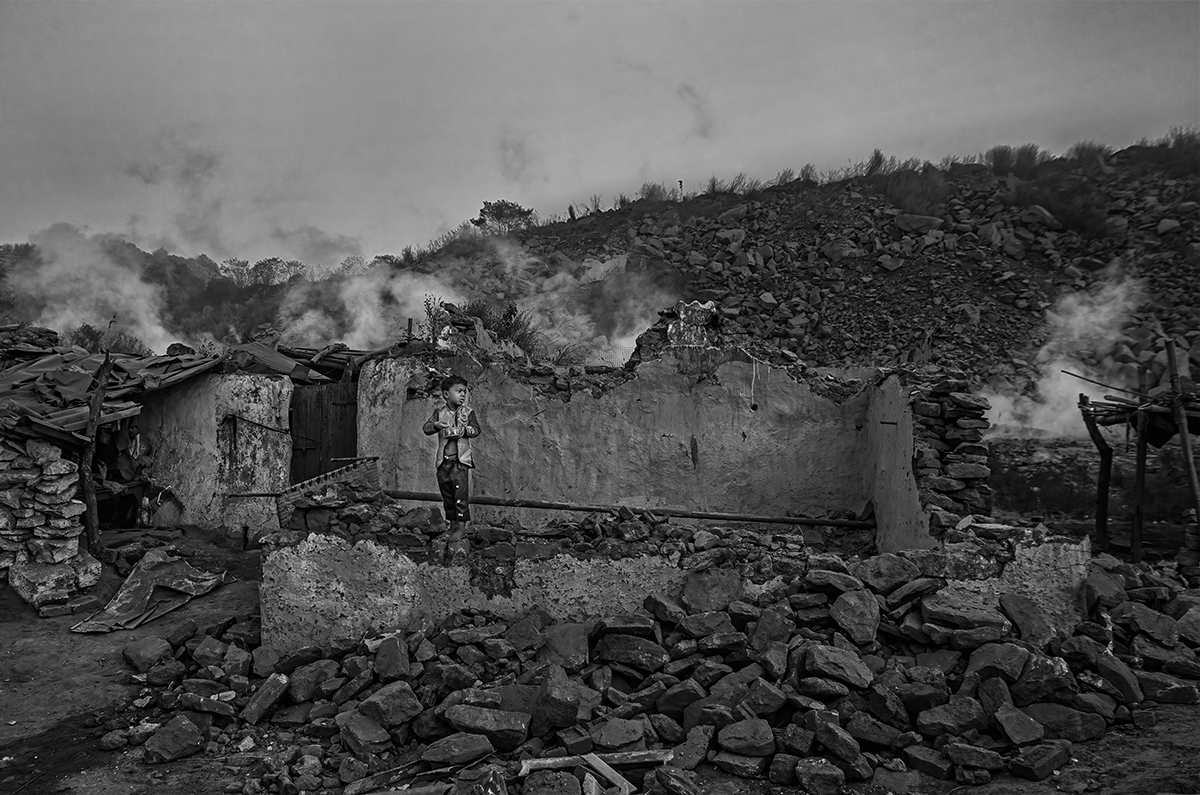
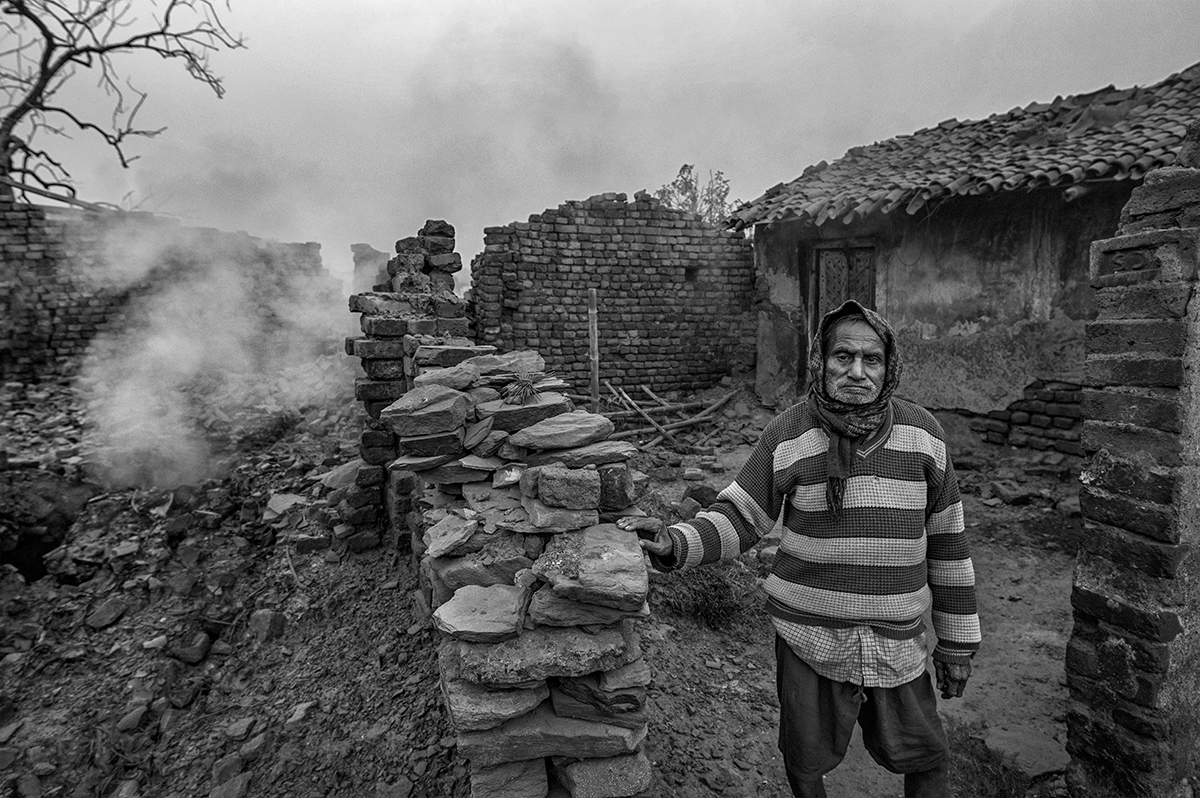
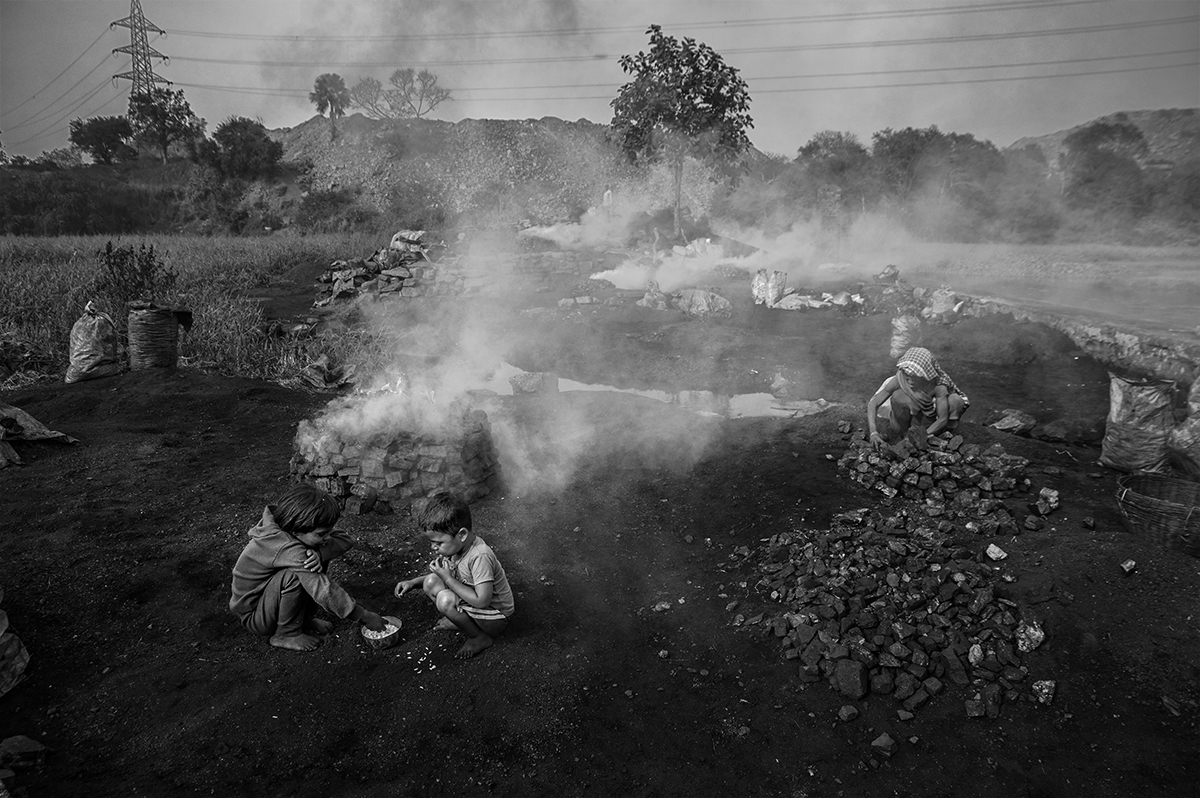
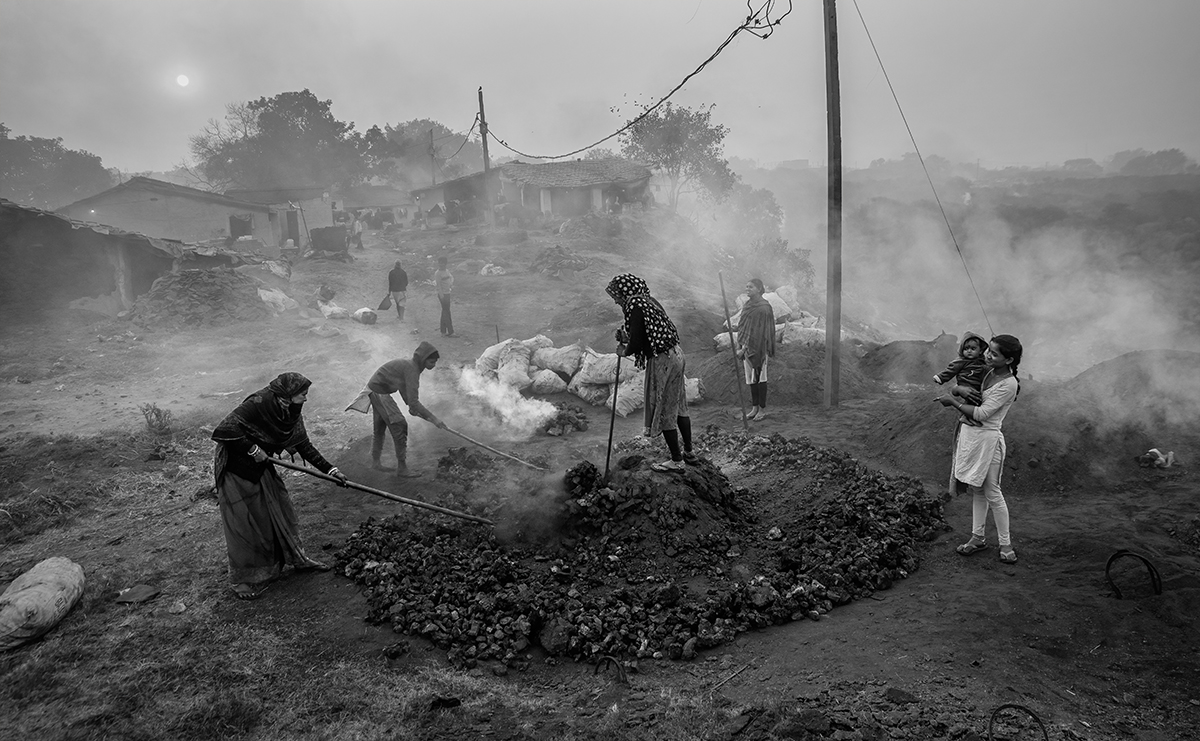
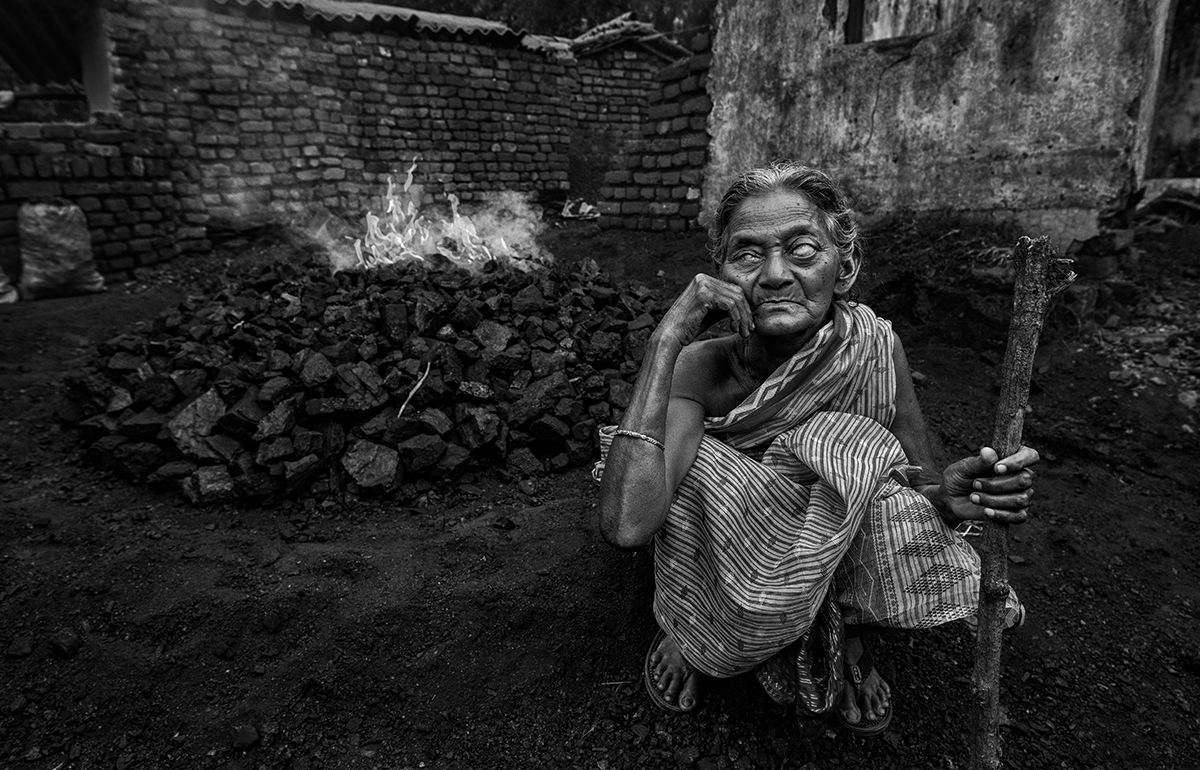
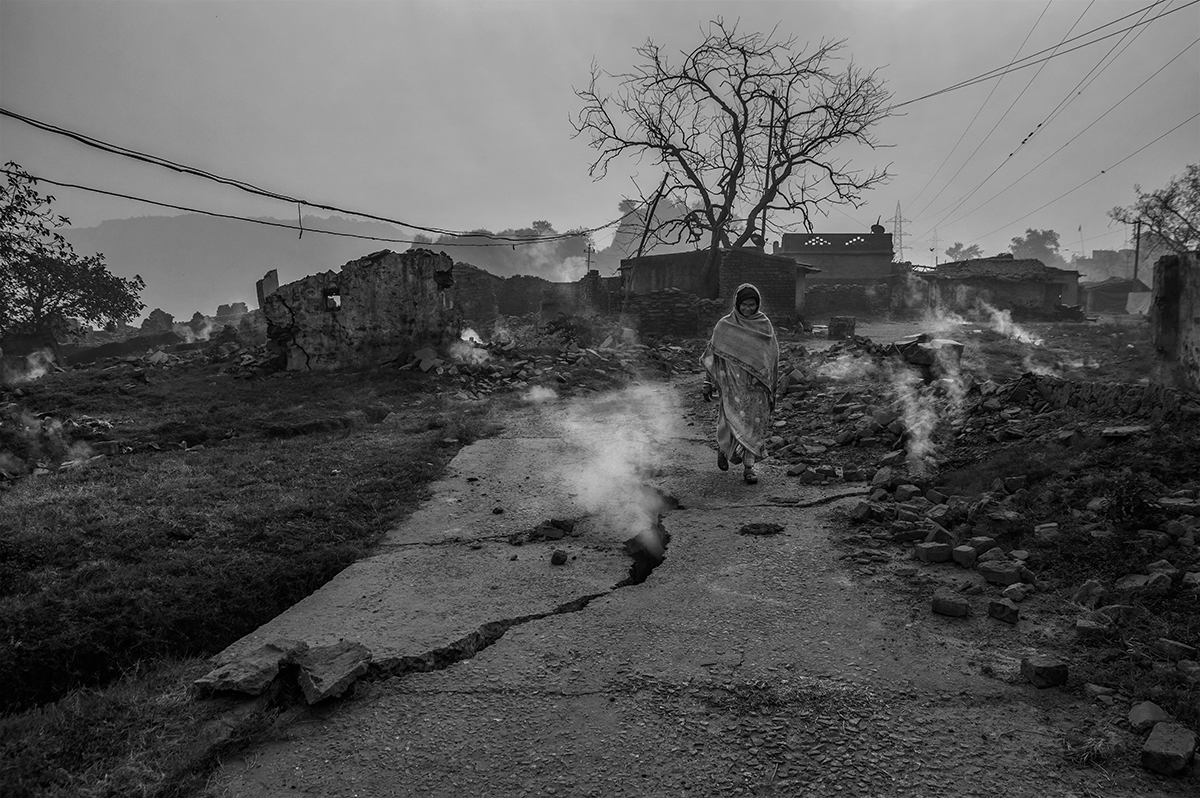
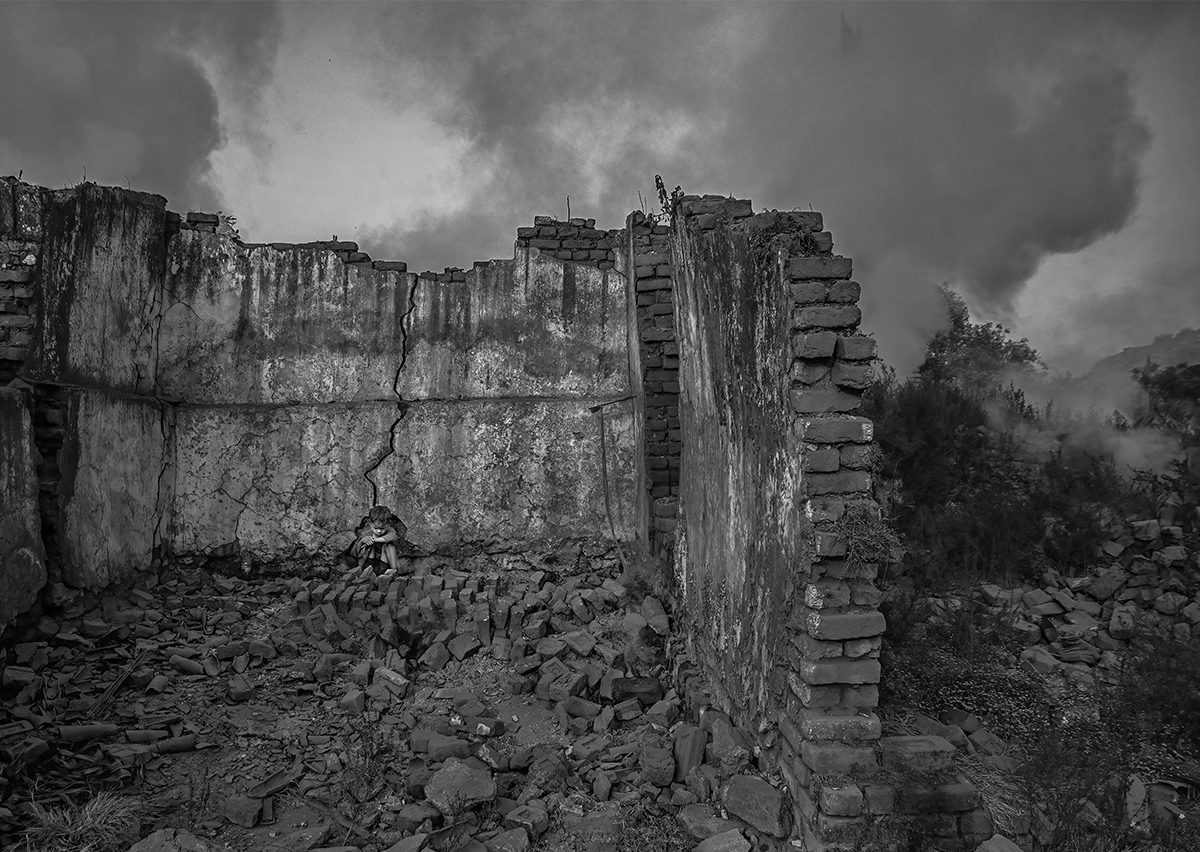
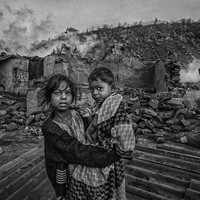
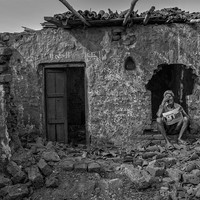
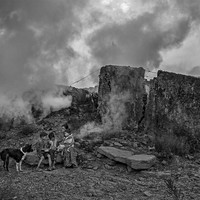
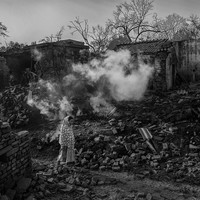
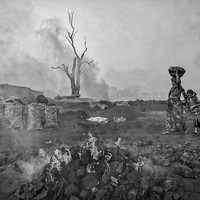
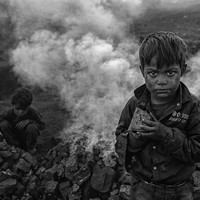
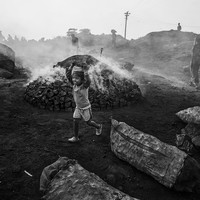
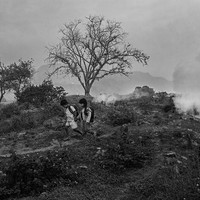
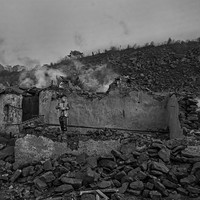
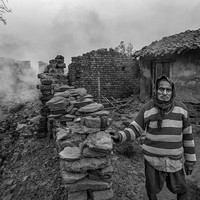
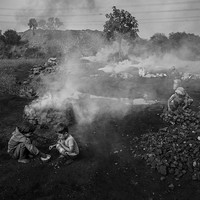
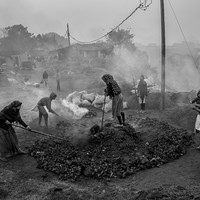
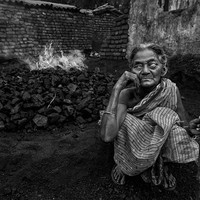
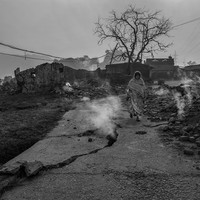
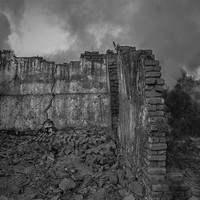
Jharia, in eastern India’s coal belt, once stood as a symbol of industrial promise. Today, it is better known for a far more haunting identity—the land that burns from within. For decades, underground coal seam fires have raged beneath its surface, invisible yet unstoppable. The ground caves in without warning. Roads split open, homes sink and vanish, and thick smoke rises endlessly from the earth, turning daily life into an exercise in endurance. Entire communities live atop this fragile terrain. Cracked walls, leaning houses, and ash-covered streets define the landscape. Here, survival means adapting to danger as routine. The air is heavy with carbon monoxide toxic fumes, and the soil beneath every step carries the threat of collapse. Around the burning mines, thousands depend on coal for survival. At dawn, men and women quietly enter restricted zones to collect raw coal from the edges of the fires. Working against time, they gather what they can before heat, gas, or sudden cave-ins force them away. The coal is later sold in local markets, sustaining families who have few alternatives. The work is illegal, perilous, and exploitative—but poverty leaves no room for safer choices. Children grow up surrounded by smoke and fire. Many abandon school early, joining their families in hazardous labor. Their lungs absorb poison before their bodies are fully grown, their childhoods shaped by burning craters instead of classrooms or playgrounds. Even the simple act of walking to school can mean crossing land that may give way at any moment. Years of exposure have taken a severe toll. Chronic illness is widespread; many workers gradually lose their eyesight, damaged by constant contact with toxic smoke. Homes collapse, forcing families into repeated displacement. Some continue to live in half-ruined structures, refusing to leave the only place they know. Yet, amid the devastation, life persists. People continue to labor, to hope, and to endure. These photographs document a reality where resilience confronts environmental collapse—where human lives are balanced daily above fire. Despite ongoing government efforts, the underground inferno continues to spread, deepening Jharia’s crisis. It stands today as a stark reminder of how unregulated extraction can transform progress into a long-burning human tragedy.
BACK TO GALLERY