
Mention honorable dans la catégorie « Documentaire »
After The Tide
After The Tide is the first chapter of a broader project investigating the culture of memory and disappearance. The work takes as a point of reference the thought of Marilyn Ivy, who describes how, in modern Japan, the past is not simply preserved or lost, but continually staged, evoked, or made to re-emerge as an unstable presence.
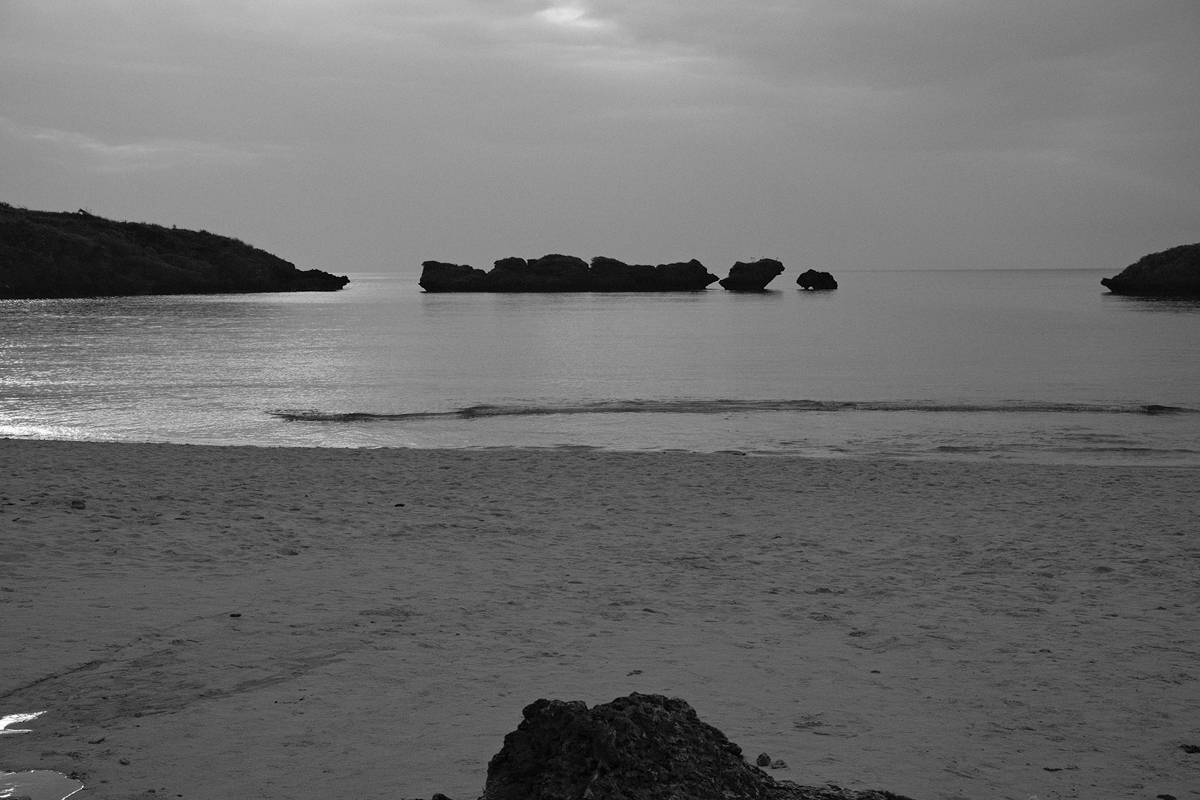
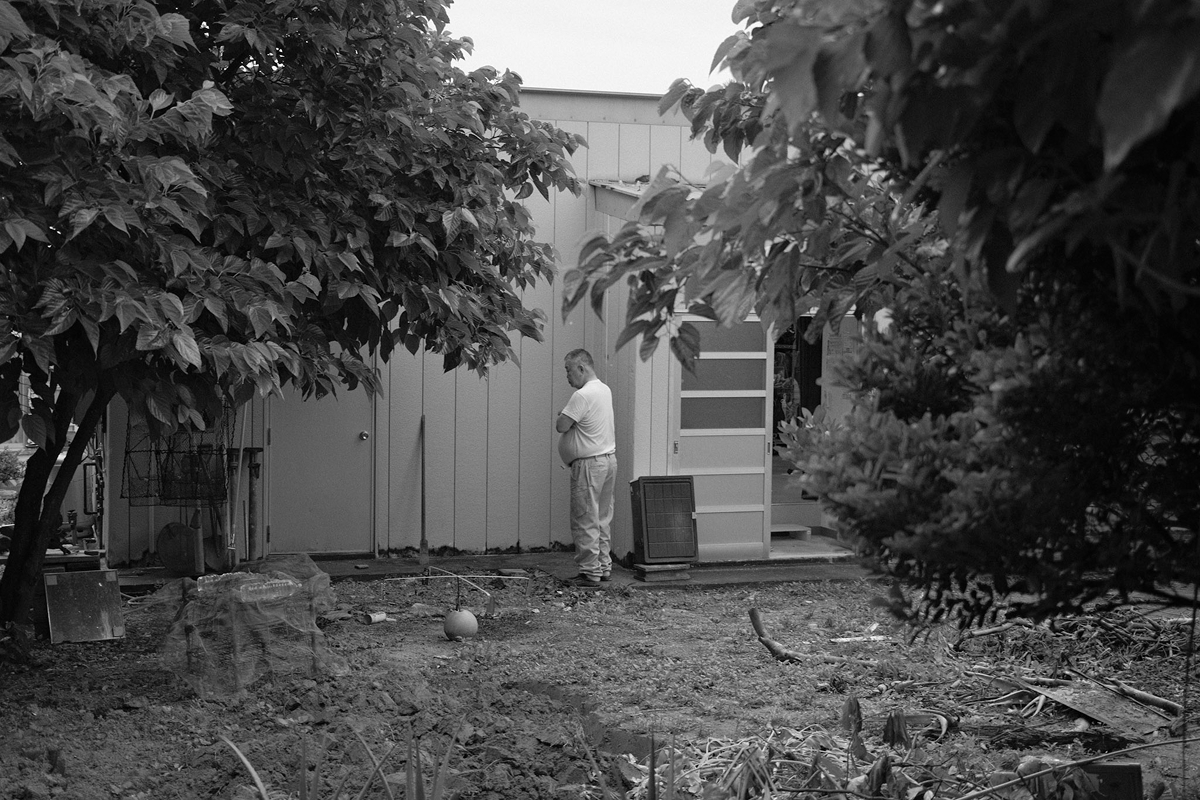
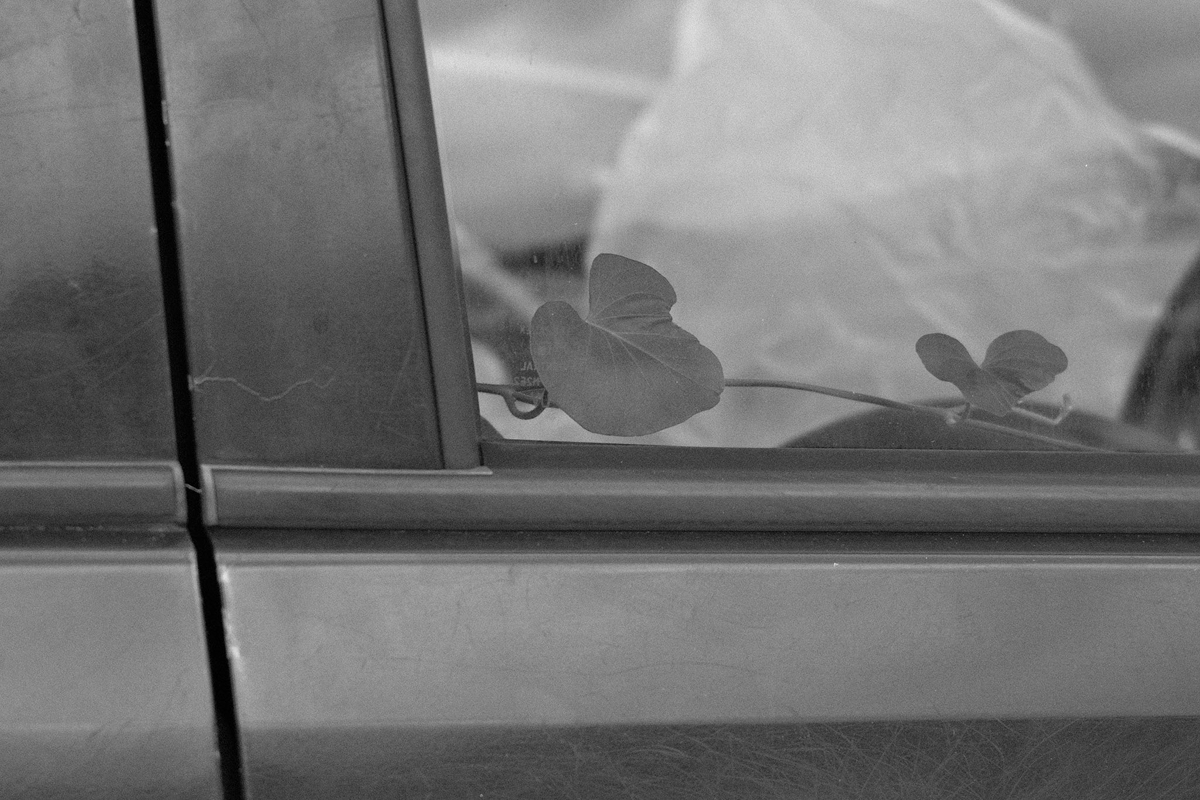
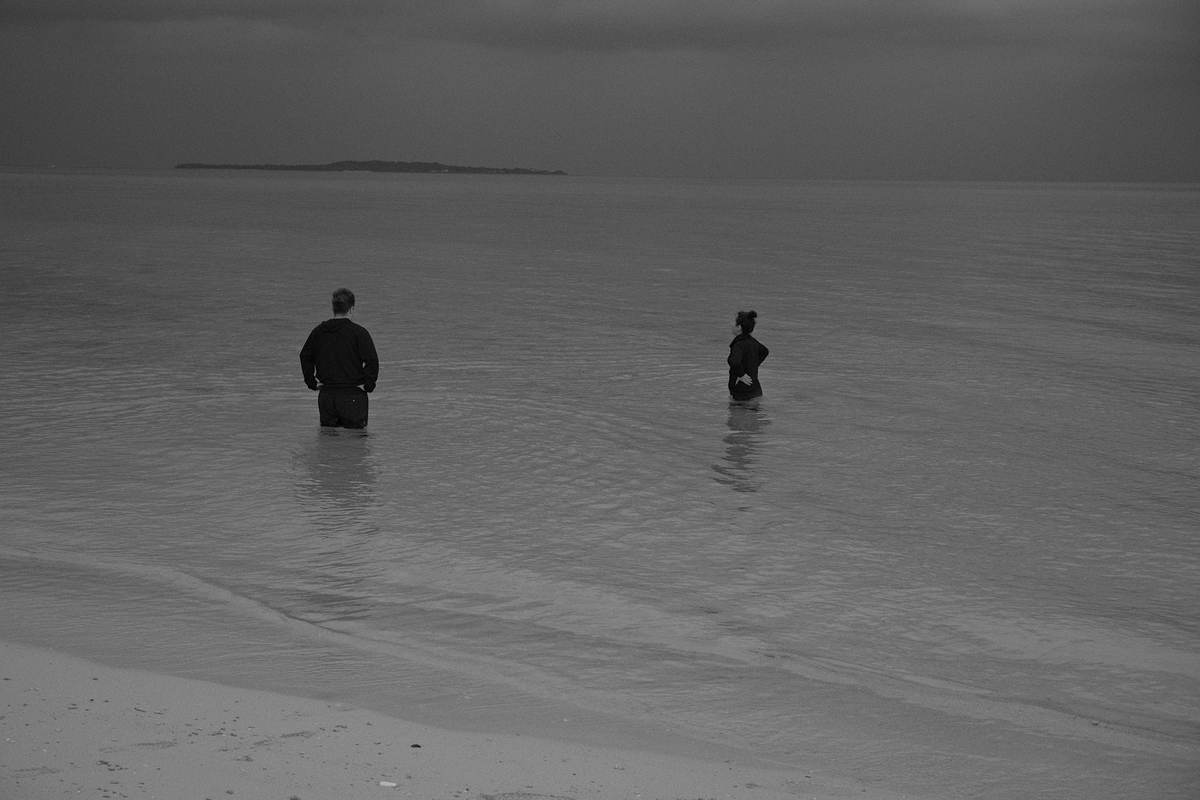
The project began in Iriomote, an island in the Yaeyama archipelago, Okinawa Prefecture. It is a real, remote place where nature dominates and human presence remains discreet. I photographed the island in the months before the tourist season, when many houses are closed and the landscape feels suspended.
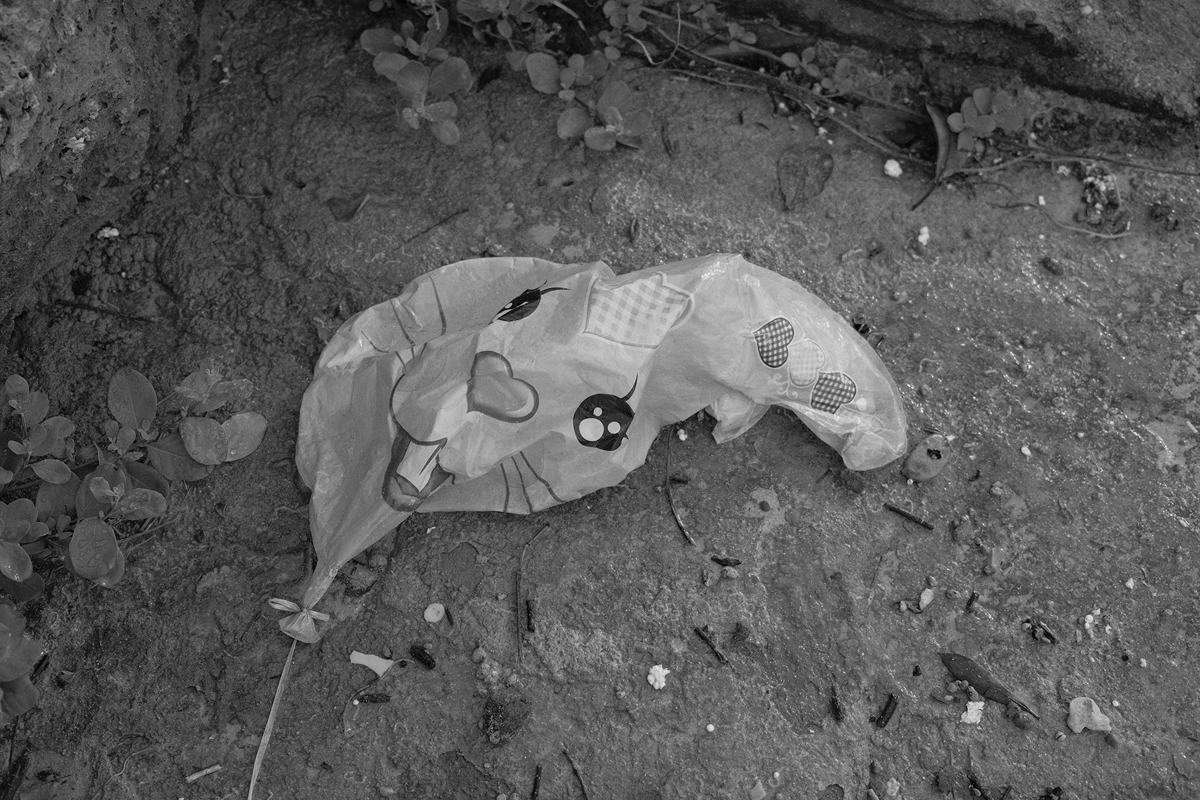
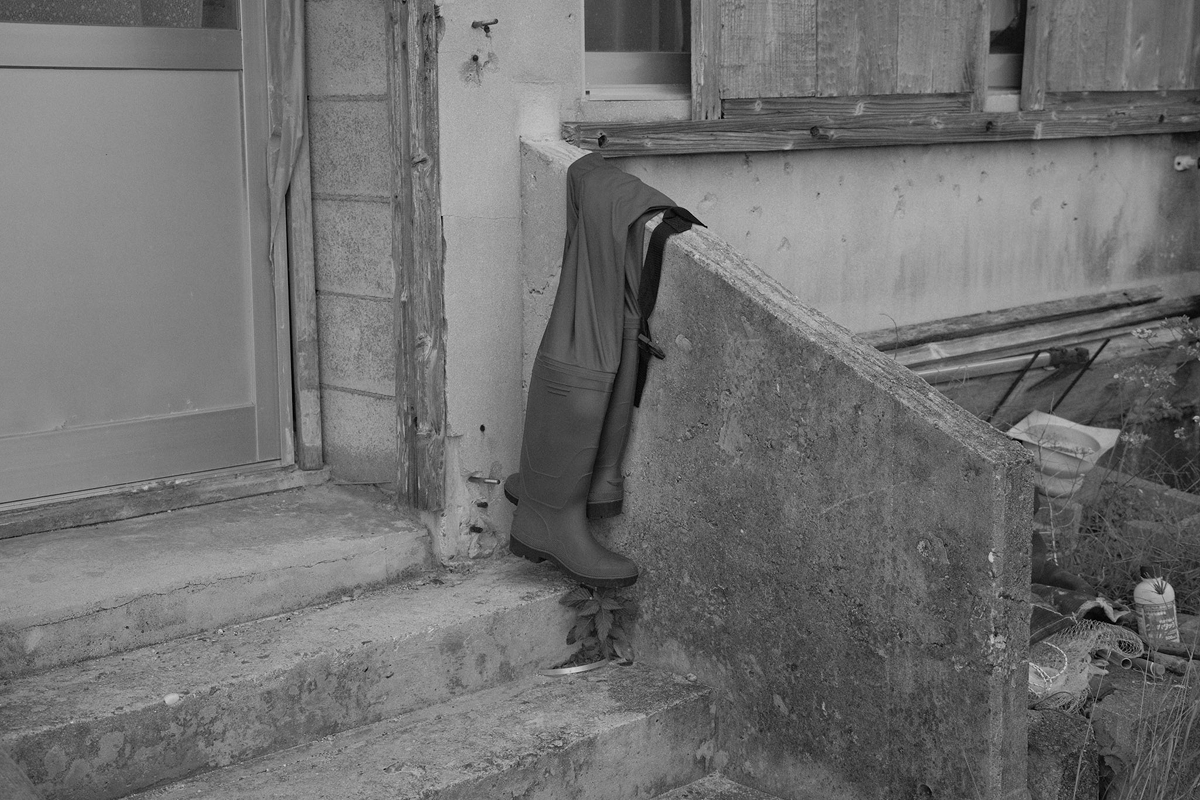
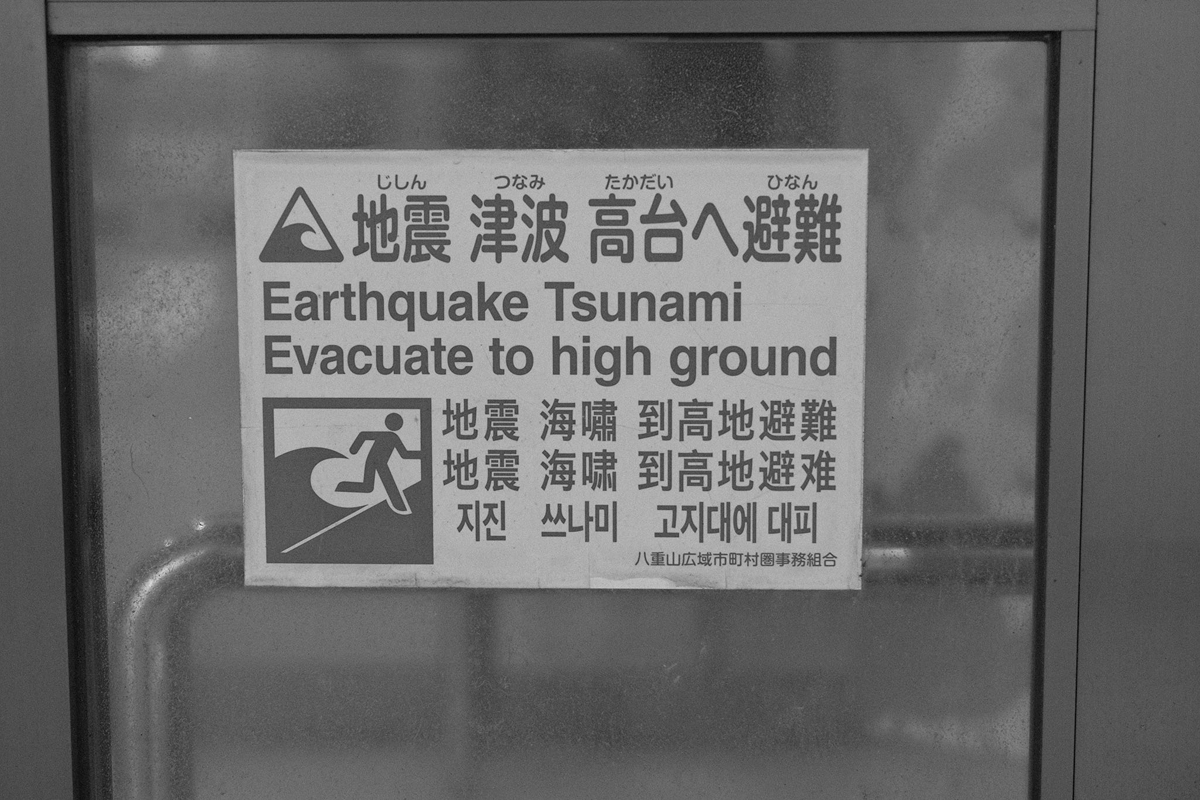
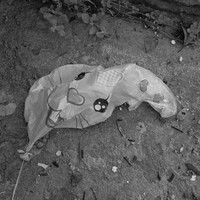
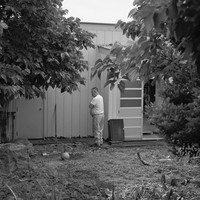
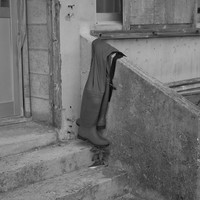
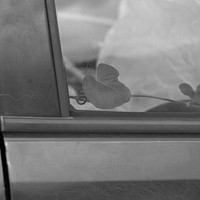
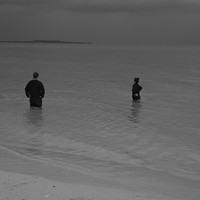
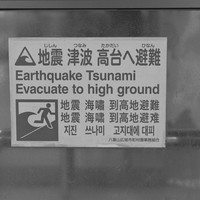
The images do not document a real catastrophe. Yet, when viewed in sequence, the landscape can be read as if it had been struck by a tsunami. Isolated houses, objects slightly out of place, advancing vegetation, sudden silences: ordinary elements that, when combined, activate a familiar visual narrative. In Japan, the memory of natural disasters is part of the collective consciousness. The landscape itself is often read through that memory.
This perceptual shift lies at the center of the work. The photographs do not stage destruction, but they reveal how our gaze is predisposed to recognize it. Ivy’s work helps me understand this mechanism: disappearance is not only a historical fact, but a cultural form that continues to shape the present. Trauma is not always visible, yet it structures the way we interpret what we see.
This first chapter opens a research path that does not end in Japan. My observation of Iriomote also stems from a desire to engage with a specific way of understanding the relationship between territory, identity, and memory. In Japan, disappearance is often acknowledged as part of the cultural landscape—something that can be thematized, evoked, made visible.
After The Tide is an open proposal. A way of questioning the landscape as a space where memory and identity are constructed not only through what has happened, but also through what we believe we see.
BACK TO GALLERY