
Honorable Mention in the category « Architecture »
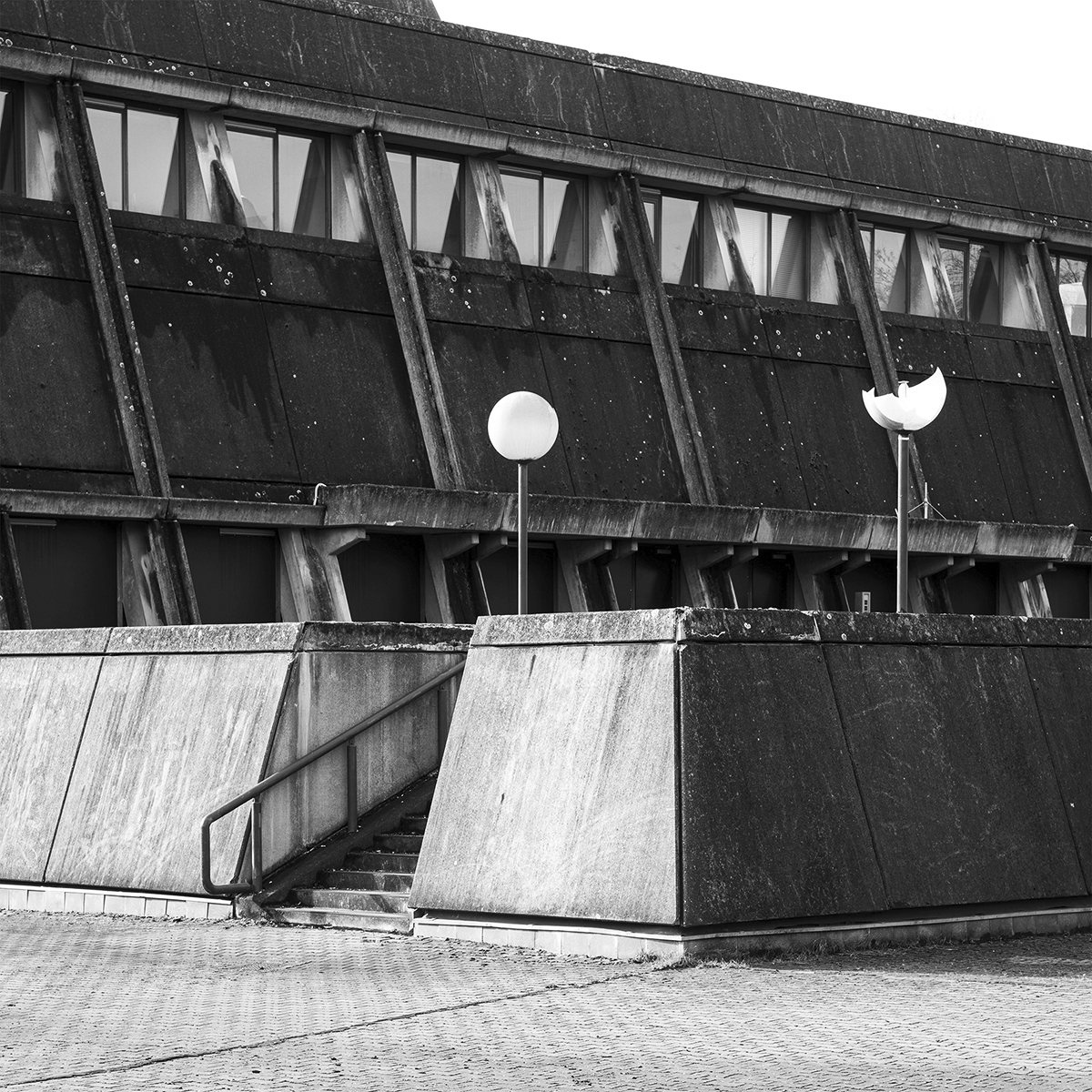
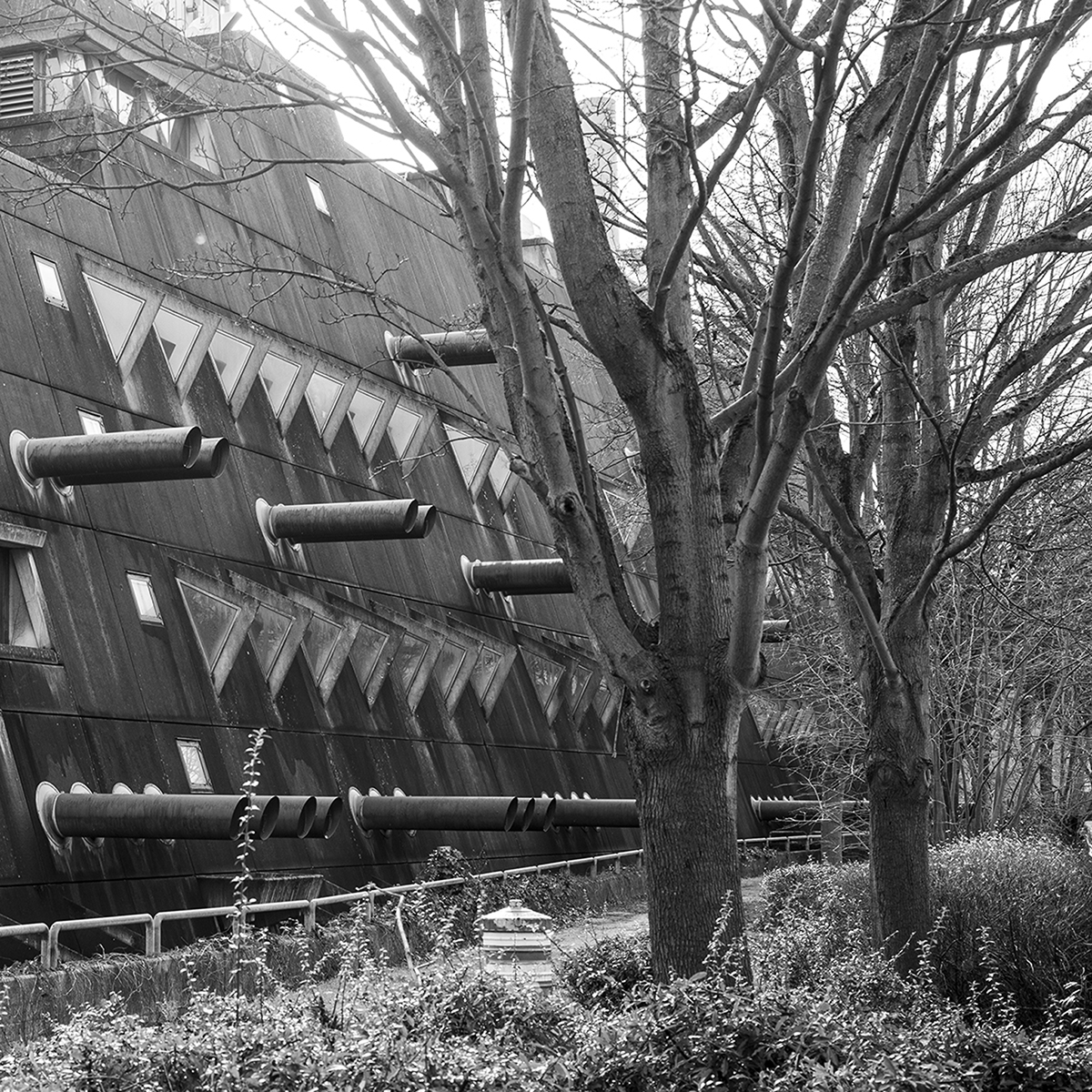
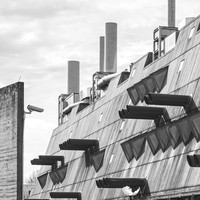
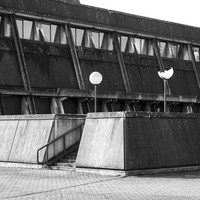
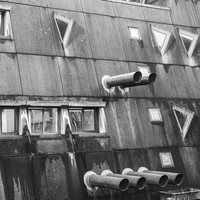
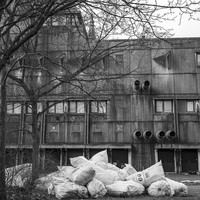
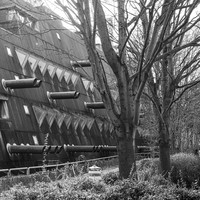
This series documents the infamous "Mäusebunker" in Berlin, a prime example of international Brutalism, captured through a lens that seeks to expose the tension between architectural iconicity and systemic neglect. Rather than providing a mere structural survey, the works examine the building as a living, albeit decaying, organism that continues to project authority while simultaneously succumbing to abandonment.
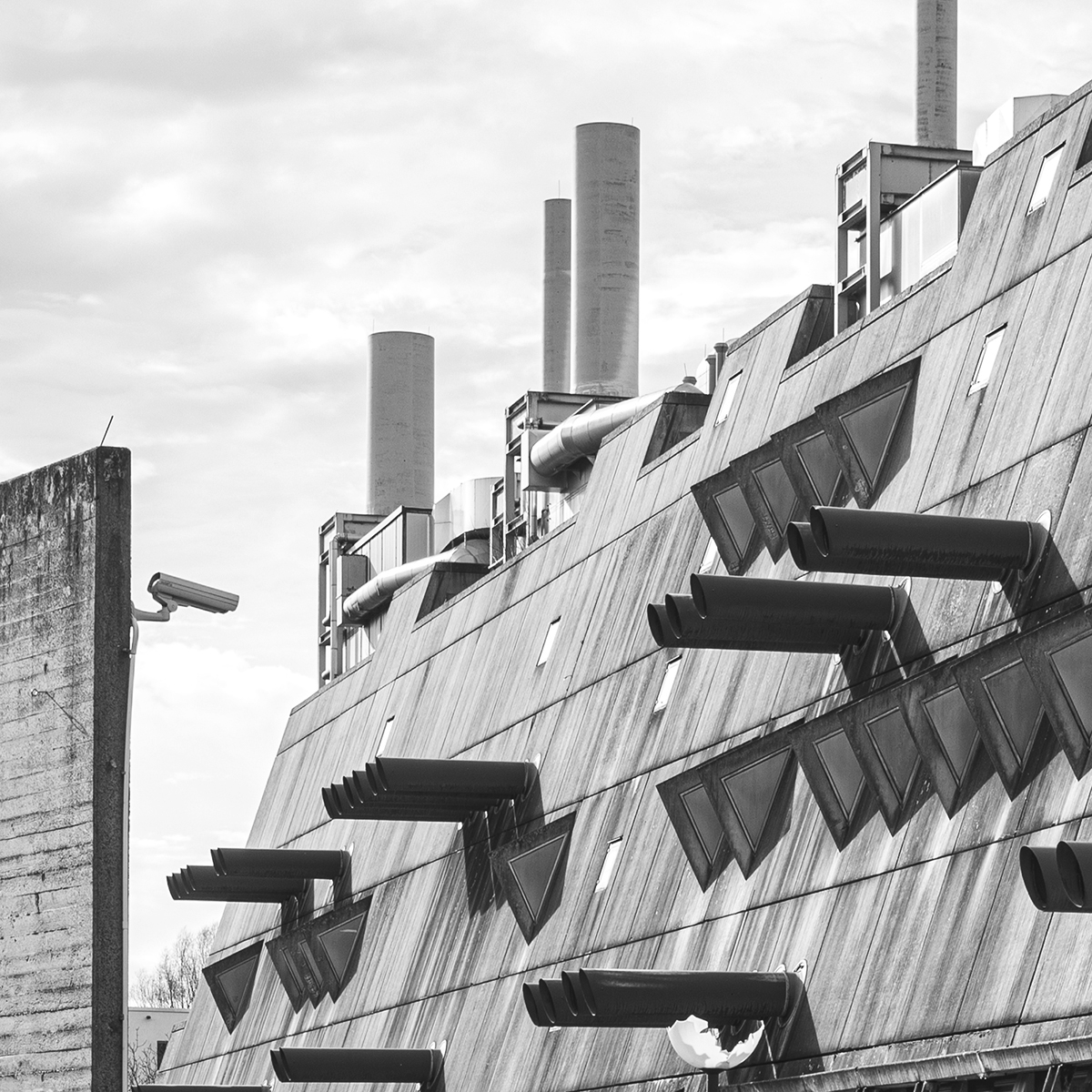
The narrative opens with "Opposition", where the building's aggressive, projectile-like ventilation pipes are met by the sterile, observant eye of a modern surveillance camera. This visual dialogue establishes the core theme: the confrontation between the bold, utopian architectural gestures of the past and the cold, pragmatic control mechanisms of the present.
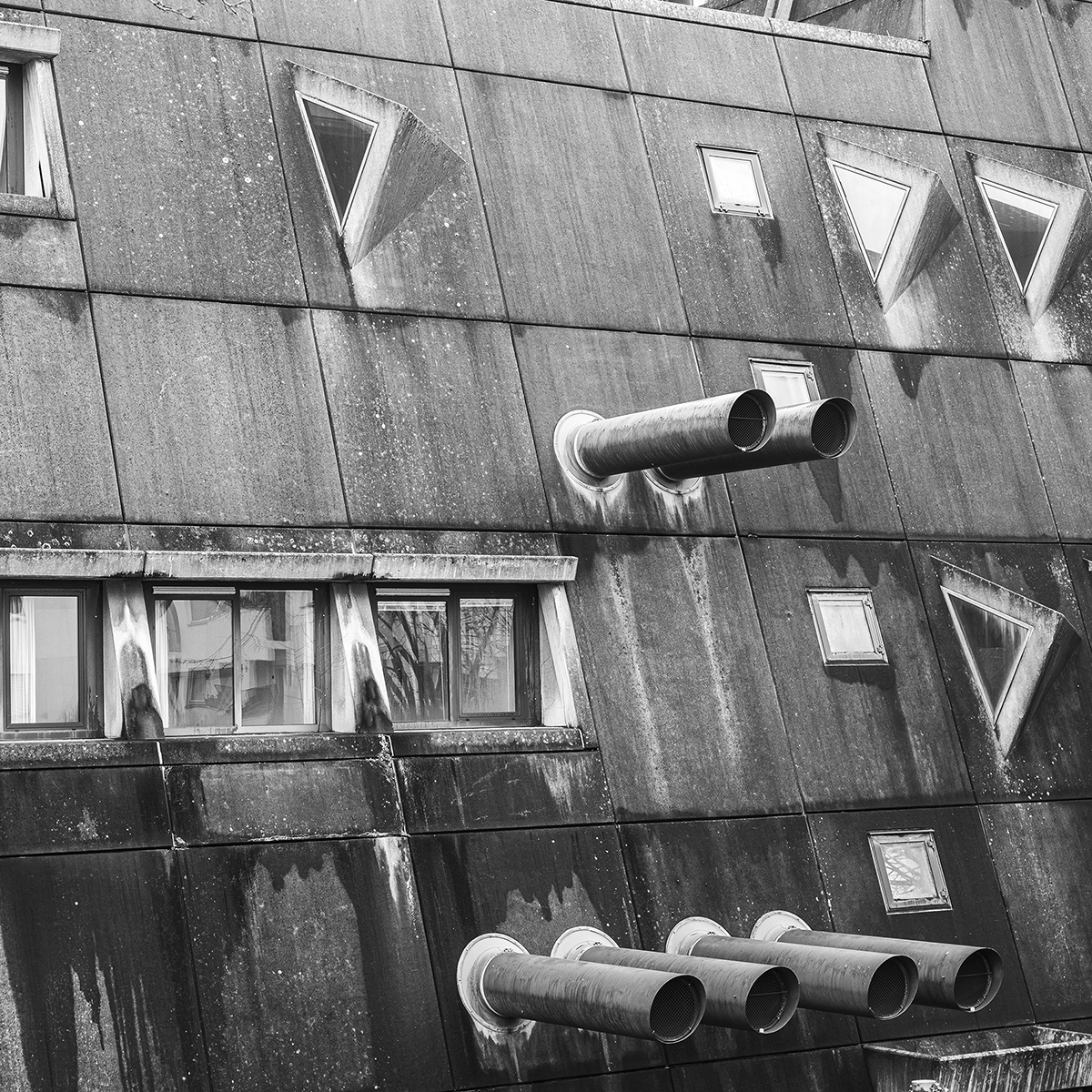
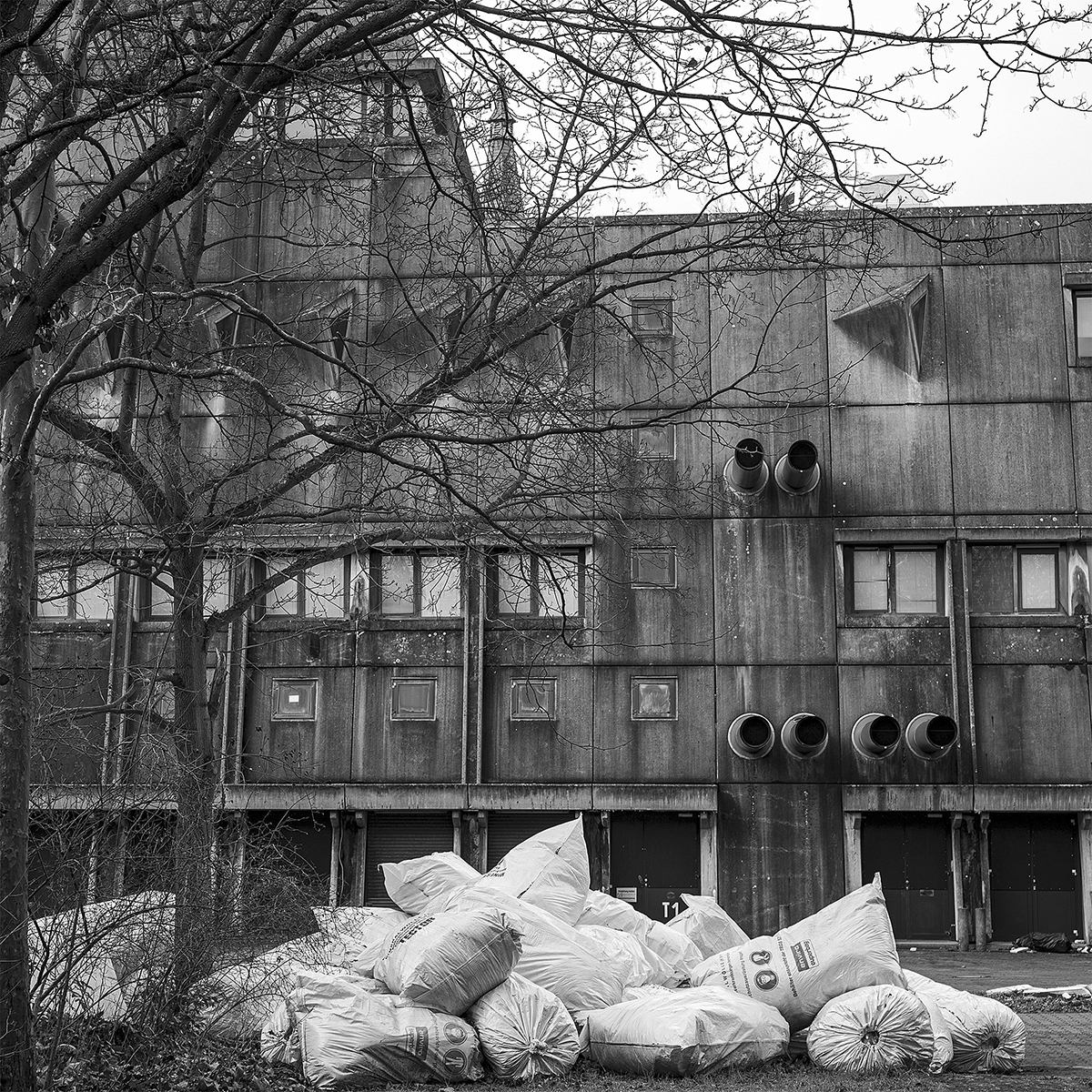
As the series progresses, the focus shifts to the building's increasingly desolate state. The rhythmic repetition of triangular windows and exhaust tubes, once symbols of scientific progress, now appear as scars upon a weathered skin. A poignant moment in this trajectory is found in the work capturing the rear elevation, where architectural majesty is unceremoniously juxtaposed with piles of discarded waste sacks—a potent metaphor for the current ruthlessness and indifference shown toward this cultural icon.
However, the sequence finds a reconciliatory conclusion in "Urban Integration". Here, the harsh, aggressive geometry of the bunker is softened by the presence of established urban greenery. Framed through the organic silhouettes of trees, the concrete giant no longer appears as an isolated antagonist but as a permanent, weathered fixture of the Berlin cityscape. This final perspective invites a re-evaluation of the relic: it is no longer merely a backdrop for neglect, but a resilient landmark that has found its place within the evolving fabric of the city.
BACK TO GALLERY